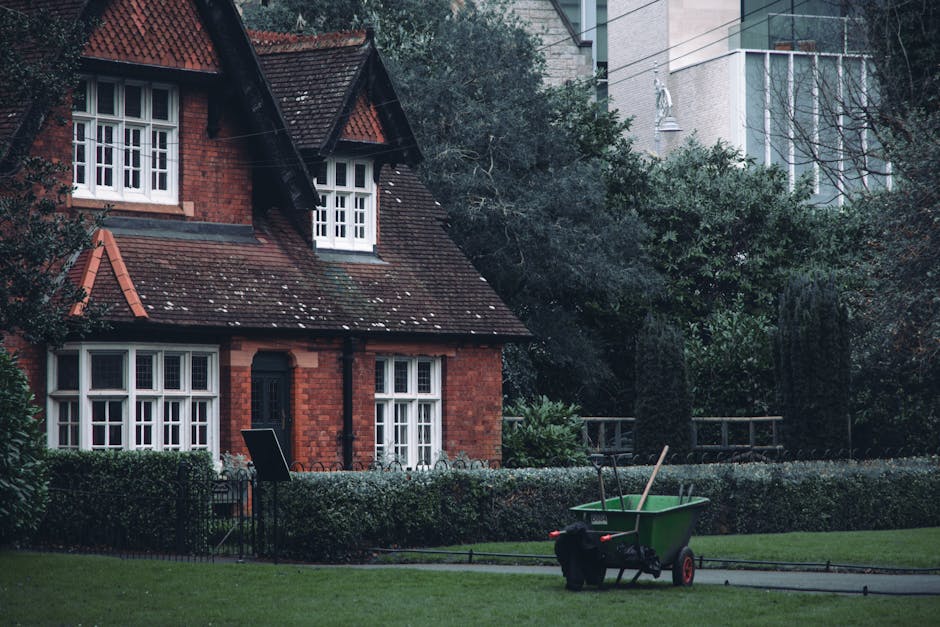
Garden maintenance for terraced homes by Wallington Station
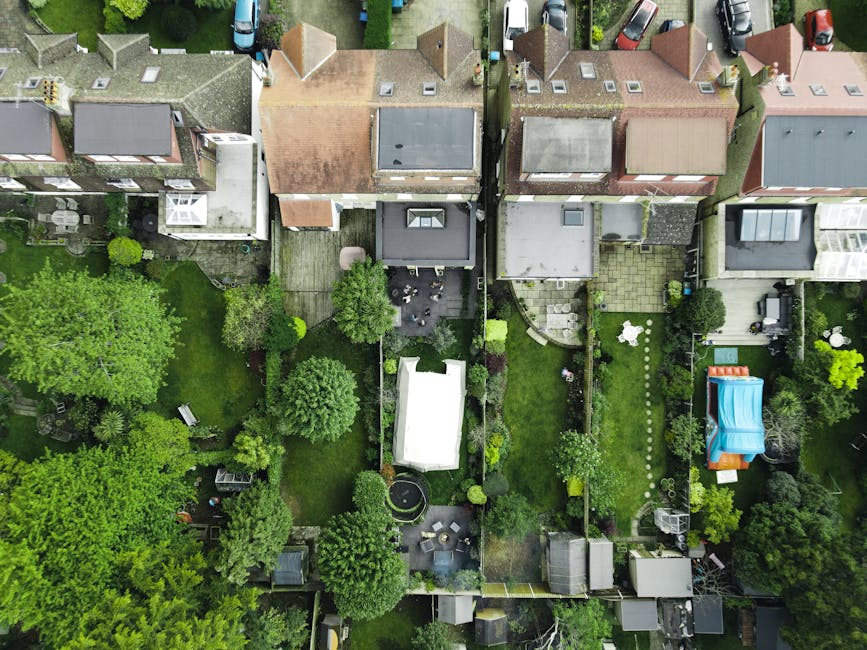
Terraced gardens can look deceptively simple from the street, but anyone who lives with one knows the truth: they need regular, careful attention to stay tidy, usable, and not a little bit overgrown by Wednesday if you ignore them for a week. If you are looking for garden maintenance for terraced homes by Wallington Station, you are probably dealing with a compact outdoor space, limited access, shared boundaries, and that constant battle between keeping things neat and finding the time to do it properly.
This guide breaks down what good maintenance actually looks like for terraced properties near Wallington Station, why it matters, how the work is usually carried out, and what to expect if you are planning to bring in help. We will also cover common mistakes, practical checklists, and the small details that make the difference between a garden that just survives and one that feels calm, cared for, and genuinely pleasant to use.
Why Garden maintenance for terraced homes by Wallington Station Matters
Terraced homes often come with gardens that are compact, enclosed, and exposed to a mix of everyday pressures: shade from neighbouring buildings, narrow side passages, awkward access, and soil that can become tired faster than you would expect. Near Wallington Station, where many homes sit on busy residential streets, a garden can quickly become a catch-all space for bins, bikes, old pots, and that one corner where weeds always seem to win. Sound familiar?
Regular maintenance matters because small gardens show neglect quickly. A patch of moss, an untidy hedge, or a lawn that has gone patchy can make the whole space feel smaller and more stressful. On the other hand, a simple routine keeps the garden feeling open, manageable, and welcoming. That is especially valuable in terraced homes where the outdoor area often doubles as a place for drying washing, relaxing after work, and getting a bit of fresh air without leaving the house.
There is also a practical side. A well-kept garden is easier to use safely, easier to clean, and less likely to attract problems such as blocked drains, slippery paths, self-seeding weeds, or overhanging growth from boundary lines. If you are renting out a property, preparing to sell, or simply trying to keep on top of home life, consistent garden care makes a noticeable difference. It sounds obvious, but a tidy garden tends to stay tidy.
For homeowners who want broader help beyond seasonal tidying, it can make sense to combine routine care with services such as garden maintenance, lawn mowing, and hedge trimming so that the whole space is looked after in a joined-up way rather than as a series of last-minute jobs.
How Garden maintenance for terraced homes by Wallington Station Works
Good terraced garden maintenance is less about grand redesigns and more about rhythm. The aim is to keep growth under control, surfaces clear, planting healthy, and the overall space easy to enjoy. In practice, that usually means building a repeatable routine around the seasons and the way the garden is actually used. Not the way it looks in your head on a sunny bank holiday. The real way.
A typical maintenance visit, whether it is a one-off or a recurring service, usually starts with a quick assessment. What needs cutting back? Are there weeds in paving or borders? Does the lawn need a trim, edging, or feeding? Are shrubs blocking light? Is there any waste to remove? In a terraced garden, these checks matter because a few neglected jobs can make the entire plot feel cramped fast.
From there, the work often includes a mix of light and medium-duty tasks:
- mowing or strimming smaller lawns
- edging borders and paths
- weeding beds, paving, and gravel areas
- pruning shrubs and climbers
- cutting back seasonal growth
- clearing leaves, branches, and general debris
- checking drainage and clearing build-up around gullies
- refreshing mulch or compost where needed
Terraced properties often have restricted access, so the work has to be planned efficiently. Tools may need to be carried through the house or via narrow side gates, and waste removal needs to be organised neatly. If you are dealing with a bigger tidy-up after months of growth, a combination of routine care and garden clearance can be the most sensible approach. It saves time and stops the maintenance cycle from becoming overwhelming.
To be fair, the best maintenance jobs are the ones that look simple because someone has already thought through the order of work. That is what keeps a small garden from turning into a Saturday-eating monster.
Key Benefits and Practical Advantages
The obvious benefit is a tidier garden. But there is more going on than appearance. A well-maintained terraced garden creates room to breathe. That sounds dramatic for a small outdoor space, yet it is exactly what people notice first when the weeds are down, the edges are clean, and the planting is under control.
Here are the main advantages in real terms:
- Better use of space: compact gardens feel larger when borders are managed and paths are clear.
- Less weekend stress: regular upkeep prevents the long, exhausting catch-up session that everyone dreads.
- Improved kerb appeal: even a modest front or rear garden can lift the feel of a terraced home.
- Healthier planting: pruning, feeding, and seasonal care help shrubs and perennials perform better.
- Safer surfaces: moss, leaf build-up, and loose debris are handled before they become slippery or messy.
- More privacy and comfort: controlled hedges and climbers can soften overlooking and make the space feel calmer.
There is also a longer-term gain: maintained gardens are easier to evolve. If you ever want to add seating, improve borders, or bring in landscaping later on, you are starting from a healthier base. That is why many homeowners pair upkeep with broader improvements through landscape gardening or landscaping when the garden has outgrown its current layout.
Expert summary: in smaller terraced gardens, maintenance is not just about keeping things neat. It is about protecting usable space, reducing future work, and making sure every square metre earns its keep.
Who This Is For and When It Makes Sense
This type of service suits a broad range of homeowners and landlords, but it is especially useful if your garden has one or more of these traits: limited access, narrow borders, awkward steps, fast-growing hedges, or a lawn that seems to need attention every five minutes during spring. Terraced homes by Wallington Station often tick more than one of those boxes.
You may benefit from professional maintenance if you are:
- a busy homeowner who wants regular upkeep without spending every weekend outside
- a landlord needing a tidy outdoor space between tenancies
- a downsizer who wants the garden to stay manageable rather than become a burden
- a new owner trying to bring an older garden back under control
- someone preparing a property for sale or photography
- a family that uses the garden heavily and needs it safe and easy to clean
It also makes sense after a seasonal change. Early spring often reveals winter damage; late summer can bring a rush of growth; autumn fills every corner with leaves; and winter tends to expose the structural side of the garden, which is not always pretty. You know the drill. The grass is patchy, the hedge has opinions, and the patio has somehow collected half the street's leaf fall.
If trees are blocking light, dropping too much debris, or growing unsafely close to structures, a separate assessment through tree lopping and removal may also be relevant. Not every garden needs it, of course. But when it does, it is better addressed properly rather than left to become a bigger problem.
Step-by-Step Guidance
If you want to keep a terraced garden in good shape, it helps to work in a sensible order. Rushing around with a trimmer before you have cleared debris is a classic mistake. It makes more mess, not less.
- Start with a quick survey. Walk the whole space and note weeds, overgrowth, damaged areas, moss, and anything obstructing access.
- Clear the obvious clutter. Remove leaves, broken pots, fallen branches, and loose items before cutting or pruning.
- Tackle edges first. Define borders, path edges, and lawn outlines so the space instantly looks sharper.
- Cut back growth in the right order. Trim hedges and shrubs before doing fine detail work on beds or paving.
- Mow or strim the lawn. Keep the cut modest if the grass has grown long; severe cuts can shock a tired lawn.
- Weed thoroughly. Pull visible weeds and remove roots where possible, especially from paving cracks and gravel.
- Check for drainage issues. Look for puddling, blocked channels, or compacted soil after rainfall.
- Dispose of waste properly. Bag green waste, recycle where appropriate, and avoid leaving piles to rot near fences or sheds.
- Finish with a tidy inspection. Step back and check whether the garden feels balanced, not just cut back.
That final check is worth doing. A garden can be technically maintained and still feel a bit off if one corner is too bare or a hedge has been clipped unevenly. Small spaces make these imperfections more obvious. The eye catches everything.
Expert Tips for Better Results
A few practical habits can make terraced garden maintenance easier all year round. Nothing fancy. Just the kind of small discipline that saves you from bigger headaches later.
- Keep maintenance frequent and light. Short, regular visits usually work better than rare, heavy interventions.
- Use borders to control growth. Defined edges reduce the look of chaos, even when planting is simple.
- Choose plants that suit the site. In shaded or narrow gardens, low-maintenance shrubs and hardy perennials often perform better than fussy planting schemes.
- Leave room for movement. A small garden feels more usable when people can walk through it without brushing past everything.
- Combine soft and hard surface care. A neat patio can lift the whole garden just as much as a healthy lawn.
- Watch for hidden build-up. Behind bins, under benches, and beside sheds are classic places for debris to collect quietly.
A useful rule of thumb: if a job makes the garden look better but also makes it easier to clean next month, it is probably a good maintenance job. That includes hedge shaping, border clearing, and even simple pressure-free tasks like keeping access routes free from overhang and leaf litter.
Also, do not be afraid to simplify. Not every terraced garden needs lots of planting. In many cases, the smartest move is a cleaner layout, easier access, and a few strong features rather than a crowded, high-maintenance display. Less can be more. Really.
Common Mistakes to Avoid
Terraced gardens are small enough that mistakes show quickly. Luckily, most of them are avoidable once you know what to look out for.
- Letting maintenance slide for too long. A few missed weeks can turn into a full reset job.
- Cutting everything too hard. Over-pruning can stress shrubs and leave ugly gaps.
- Ignoring access routes. Narrow side passages and gates need to stay clear, or maintenance becomes harder every time.
- Using the wrong tools. Oversized equipment is awkward in compact spaces and can damage surfaces.
- Leaving waste behind. Even small piles of green waste attract pests, smell damp, and make the space feel unfinished.
- Forgetting shared boundaries. Hedges, fences, and adjacent walls often affect neighbours, so tidy work matters.
- Trying to do everything in one session. A rushed all-at-once clean-up often looks worse than a measured plan.
One common issue in Wallington terraced streets is boundary clutter. A garden might be maintained in the middle, but the edges near fences, sheds, and walls are where weeds, leaves, and moss tend to settle. If you only ever focus on the obvious parts, the garden keeps sneaking back into chaos. Quietly, but steadily.
Tools, Resources and Recommendations
You do not need a van full of equipment to care for a terraced garden well. In fact, keeping the tool list lean often works better because compact spaces reward precision, not brute force.
| Tool or item | Best use | Practical note |
|---|---|---|
| Hand shears | Light trimming and shaping | Useful where a powered tool would be too bulky or noisy. |
| Compact mower or strimmer | Small lawns and awkward edges | Better for narrow gardens than heavy machines. |
| Border fork and hand trowel | Weeding and soil work | Helpful for planting beds and tight corners. |
| Leaf rake | Seasonal clearing | Especially useful in autumn when debris builds up fast. |
| Green waste bags or bins | Collection and disposal | Keep waste removal organised from the start. |
| Pruning saw | Thicker branches | Only for suitable cuts; anything larger may need specialist attention. |
For homeowners who prefer to hand responsibility over, a scheduled maintenance plan is usually the simplest route. It keeps the garden in shape without forcing you to remember every task yourself. If you are trying to weigh what level of support makes sense, the services overview is a sensible place to orient yourself, while pricing and quotes can help you understand how the work is commonly scoped.
And if sustainability matters to you, it is worth asking how green waste is handled. Many people are pleasantly surprised when waste is separated, recycled where possible, and dealt with responsibly rather than just carted away without thought. Small thing, maybe. But it matters.
Law, Compliance, Standards, or Best Practice
For most domestic gardens, the main concern is not formal regulation but common-sense best practice. Still, there are a few areas where care matters. Overhanging branches, shared fences, access routes, and waste handling can all create neighbour issues if ignored. If you are maintaining a terraced home, being considerate is part of the job, not a bonus.
In the UK, property owners and occupiers are generally expected to keep their land reasonably safe and well managed. That does not mean every garden must look perfect. It does mean you should avoid obvious hazards such as unstable branches, slippery build-up on paths, and waste that blocks movement or drainage. If work involves tools, heights, or heavier cutting, health and safety should be taken seriously even in a small domestic setting.
For that reason, it is sensible to check that anyone working on your garden follows sensible safety practices, carries appropriate insurance, and handles the site with care. You can read more about standards and approach through insurance and safety and the provider's health and safety policy. If waste is part of the job, sustainability and responsible disposal are worth confirming too; the recycling and sustainability page is useful for that kind of reassurance.
If a disagreement ever arises about service quality or expectations, a clear complaints process matters more than people often think. It is one of those boring-but-important details that tells you how seriously a business takes accountability.
Options, Methods, or Comparison Table
There is no single right way to maintain a terraced garden. The best approach depends on how much time you have, how large the space is, and whether the garden is mainly decorative, family-focused, or just a compact bit of breathing room. Here is a straightforward comparison.
| Approach | Best for | Advantages | Trade-offs |
|---|---|---|---|
| DIY weekly upkeep | Small, simple gardens | Low cost, flexible, quick jobs handled immediately | Needs regular time and decent tools; easy to fall behind |
| Monthly professional maintenance | Busy households or tidy presentation goals | Consistent standards, less stress, better seasonal control | Ongoing cost, though often easier than large occasional resets |
| Seasonal deep clean + light DIY | Gardens that are mostly manageable | Good balance of cost and control | May still feel overwhelming in peak growth periods |
| Maintenance plus clearance | Overgrown or neglected spaces | Fast reset, clearer starting point | Not a full long-term solution unless followed by upkeep |
If your garden has tipped from "a bit untidy" into "needs serious help", it usually makes sense to combine a one-off reset with ongoing care. That way you are not paying to fight the same battle twice. Which, let's be honest, nobody wants.
Case Study or Real-World Example
Imagine a typical terraced rear garden near Wallington Station: a narrow lawn, a small paved section, two hedges along the boundary, and a corner that gathers dead leaves every single autumn. Over time, the lawn becomes patchy, weeds appear in the paving, and the hedge starts leaning into the neighbouring side. Nothing dramatic. Just enough to make the garden feel older and more cramped than it really is.
The first visit would usually focus on clearing the space, trimming the hedge, cleaning the edges, and bringing the lawn back to a manageable length. That alone can change the whole feel of the garden. The second stage might involve a simple maintenance routine: fortnightly cutting in growing season, light weeding, seasonal pruning, and waste removal. If the owner later wants a more structured planting scheme, a bit of guidance from landscape gardening can help shape the next phase without creating extra work.
The real improvement is not just visual. The garden becomes easier to step into on a weekday evening, easier to sweep after rain, and easier to keep that way. In a small terraced home, that kind of change is bigger than it sounds. Suddenly the outside space feels like part of the house again, not a chore waiting at the back door.
Practical Checklist
Use this checklist to keep a terraced garden near Wallington Station in sensible working order.
- Check lawns, borders, paths, and boundaries for overgrowth
- Remove debris before starting cutting or trimming
- Keep hedges and shrubs shaped to avoid crowding
- Trim lawn edges for a cleaner finish
- Weed paving and gravel before roots spread further
- Look for drainage issues after heavy rain
- Bag and dispose of green waste properly
- Inspect access routes, side passages, and gates
- Review whether seasonal work is due
- Decide whether light upkeep or a deeper reset is needed
Quick takeaway: if you do only one thing, keep the edges clean. In small gardens, sharp edges and clear lines make an outsized difference. It is oddly satisfying too.
If you want expert help keeping a compact outdoor space in shape, a professional plan can save you time, reduce the stress of catch-up jobs, and make the whole garden easier to enjoy week after week. For a friendly starting point, you can learn more about the team on the about us page or get in touch through contact us.
Get a free quote today and see how much you can save.
Conclusion
Garden maintenance for terraced homes by Wallington Station is really about keeping a small space useful, calm, and easy to live with. The best results come from regular attention, realistic planning, and a focus on the jobs that make the biggest visible and practical difference. A clean edge, a controlled hedge, a tidy lawn, and a clear path can transform the whole feel of a home.
Truth be told, terraced gardens do not need to be perfect. They just need to be looked after well enough that they support your life instead of adding to it. When that balance is right, the space becomes a real asset. Quietly useful. Pleasant to step into. One of those little parts of the house that makes daily life better without asking for applause.
Frequently Asked Questions
How often should a terraced garden be maintained?
Most terraced gardens do best with light maintenance every one to two weeks during the growing season, then a slower rhythm in colder months. The exact frequency depends on plant choice, shade, lawn size, and how much the garden is used.
What is included in garden maintenance for a small terraced home?
Typical work includes mowing or strimming, weeding, hedge trimming, pruning, edging, leaf clearance, and general tidying. Some gardens also need occasional waste removal or support with overgrown sections.
Is professional garden maintenance worth it for a small garden?
Often, yes. Small gardens can be deceptively time-consuming because every detail is visible. Professional upkeep saves time, prevents growth from getting away from you, and keeps the space presentable without weekend catch-up sessions.
What makes terraced gardens harder to maintain?
They usually have limited access, narrow layouts, more shade, and close boundaries. That combination can make mowing, pruning, and waste removal more awkward than in larger detached properties.
Can maintenance help an overgrown terraced garden without a full redesign?
Definitely. A careful reset can make a huge difference without changing the layout. If the garden is badly overgrown, a combination of clearance and ongoing maintenance is usually the most practical route.
Do I need hedge trimming if the hedge is only slightly messy?
Usually yes, if the hedge is beginning to encroach on walkways, reduce light, or look uneven from the street or neighbouring properties. Small trims are easier and healthier than waiting for heavy cutting later.
What should I do about weeds in paving and gravel?
Remove them as early as possible, roots and all where practical. If left, they spread fast and make the whole space feel neglected. In a terraced garden, weeds in hard landscaping can become the most visible sign of poor upkeep.
How do I know whether my garden needs clearance or routine maintenance?
If the garden is still broadly usable and just untidy, routine maintenance is probably enough. If access is blocked, growth is heavy, or the space has been ignored for months, a clearance first is usually the better starting point.
Can garden maintenance improve privacy in a terraced home?
Yes. Controlled hedges, shaped shrubs, and well-managed climbers can make a garden feel more sheltered and comfortable. It is not about creating a wall everywhere, just a little more breathing room from overlooked spaces.
What should I ask before booking garden maintenance?
Ask what tasks are included, how waste will be handled, whether the team is insured, how often follow-up visits are recommended, and whether the work is better framed as maintenance, clearance, or a combination of both.
Does seasonal weather change the maintenance plan?
Absolutely. Spring and summer usually need more frequent cutting and weeding, while autumn often brings leaf clearance and drainage checks. Winter is a good time for planning, light pruning where appropriate, and general tidying.
What is the best first step if my terraced garden feels out of control?
Start with a clear assessment of what is growing, what is blocking access, and what is safe to tackle first. If the job feels too large, book a reset rather than trying to force everything into one exhausting session. That usually ends better, and with fewer sore muscles.