Gardener Wallington: Recycling and Sustainability for an Eco-Friendly Waste Disposal Area
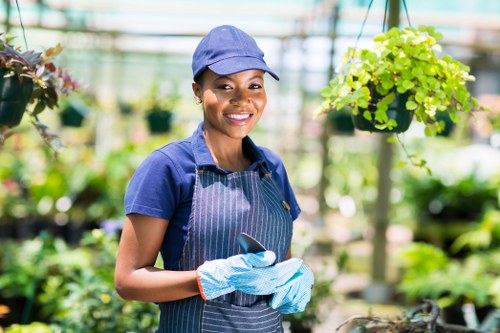 Gardener Wallington is committed to establishing an eco-friendly waste disposal area and a sustainable rubbish gardening area that supports local biodiversity and reduces landfill. Our vision sets a clear recycling percentage target to drive measurable progress in the community: reach 65% household and garden waste recycling by 2030. This target aligns with the boroughs' approach to waste separation, encouraging clear streams for paper, glass, food and garden waste.
We champion small-scale, practical measures that add up. By promoting kerbside collection improvements and shared composting hubs for gardeners in Wallington and nearby neighbourhoods, the project helps reduce haulage miles and ensures organic material becomes a resource. Reducing contamination in recycling bins is a priority, and we provide clear signage and bin-labelling templates for local community hubs.
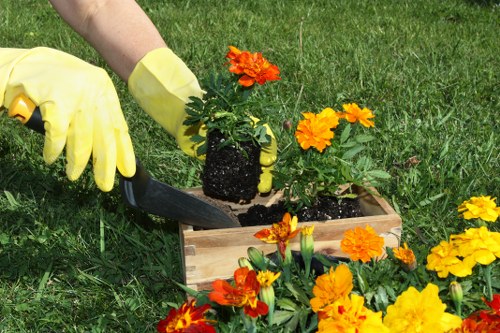 The plan recognises the importance of local transfer stations to shorten logistics chains. We actively use nearby transfer facilities such as the Sutton transfer centre and borough-supported transfer points that accept separated waste. These local links allow quicker redirection of glass, metals and paper to the correct processing plants, and reduce the carbon mileage associated with long-distance transport.
Partnerships form the backbone of our approach. Gardener Wallington works with existing charities and reuse organisations to give materials a second life: local food redistribution groups, furniture reuse charities, and community gardens that accept clean soil and plant pots. Partnership with charities means surplus materials from garden clearances are diverted from skips to community projects, helping those in need and keeping useful items in circulation.
We also partner with volunteer groups to run seasonal collection events for specific waste streams like polytunnel film, untreated wood offcuts and plant pots. These focused campaigns complement borough recycling programmes that emphasise separate collections for food, garden, and mixed recycling. Education and community participation increase recovery rates and reduce contamination.
To ensure practical, low-impact operations, Gardener Wallington is shifting its transport fleet to low-carbon vans and light vehicles. Our transition plan includes fully electric vans for local rounds, plug-in hybrids for longer runs, and trialling cargo bikes for inner-ward deliveries, which together cut emissions and promote sustainable rubbish gardening area logistics.
 On-site at community compost hubs we apply strict sorting rules: separate food waste, garden detritus and woody material for high-quality composting. We also segregate recyclable containers and plastics during garden clearance work, mirroring the boroughs' separation categories to ensure material compatibility with municipal processing systems.
Our recycling framework for gardeners includes a clear hierarchy: reduce, reuse, recycle. Items that can be reused—such as intact plant pots, irrigation equipment and timber pallets—are assessed for donation to partner charities before ever entering the transfer chain. This reuse-first philosophy both reduces demand for virgin products and supports local projects.
Waste streams that cannot be reused are processed through authorised channels. We maintain lists of accepted materials at local transfer stations and follow borough guidance for hazardous garden wastes like oil, treated timber, and certain pesticides. Compliance and transparency are essential: every significant clearance comes with a waste movement record and a summary of recycled tonnage.
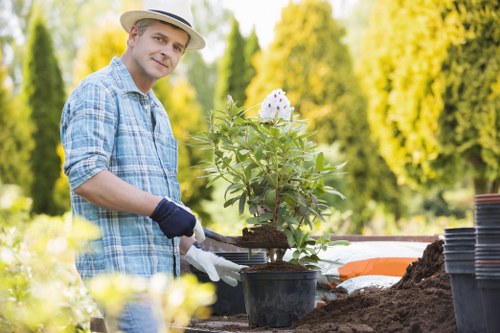 To engage residents and gardeners, Gardener Wallington organises seasonal drop-off days and swap events where neighbours exchange pots, tools and surplus compost. These community actions dovetail with borough initiatives to improve separation rates: glass goes into dedicated banks, food waste into caddies for anaerobic digestion, and clean garden waste into local green composting schemes.
We publish regular recycling performance updates so the community can track progress toward our 65% recycling target. Progress metrics include tonnage diverted from landfill, percentage of organic material composted locally, and reductions in vehicle miles via consolidated collections. Monitoring helps refine route planning and waste separation advice.
 Our sustainable operations emphasise continuous improvement: training crews on correct sorting and contamination avoidance, investing in low-carbon vans, and strengthening charity links to maximise reuse. The result is a resilient, localised approach to an eco-friendly waste disposal area, one that benefits Wallington gardeners, supports borough recycling aims and reduces the environmental footprint of routine garden waste management.
Key Services and Commitments
- Recycling percentage target: 65% by 2030 for household and garden waste streams.
- Low-carbon fleet: electric vans, hybrids and cargo bikes to minimise transport emissions.
- Charity partnerships: reuse and redistribution of pots, tools and surplus soil to local groups.
- Local transfer stations: collaboration with borough-supported centres to reduce haulage and improve processing efficiency.
- Waste separation alignment: adherence to borough separation categories for paper, glass, food and garden waste.
Why this matters for Wallington gardeners
By combining community engagement, practical sorting at source, and collaborations with charities and transfer stations, Gardener Wallington creates a sustainable rubbish gardening area that reduces waste, supports reuse and lowers carbon emissions. Our approach is pragmatic and scalable, designed to meet borough expectations while making it easier for gardeners in Wallington to do the right thing. Together we can build a greener, cleaner neighbourhood.