When gardeners cant access Wallington back gardens: practical solutions, planning, and what to expect
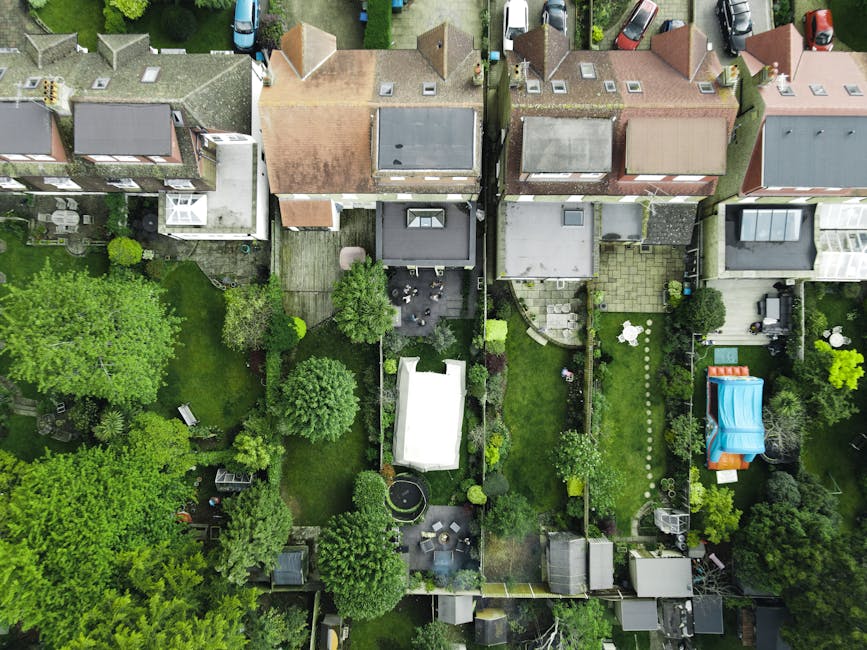
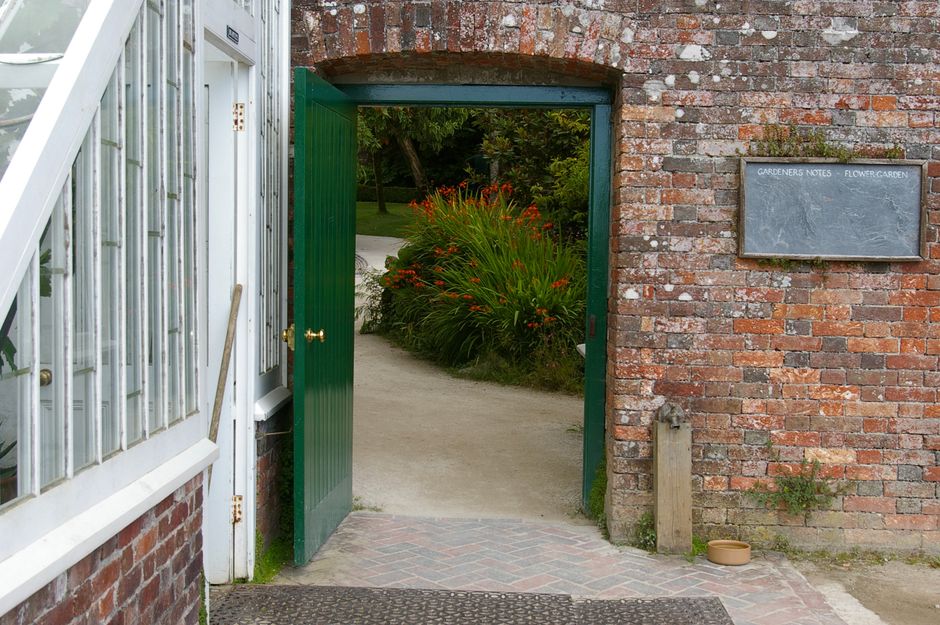
If you have ever booked garden work and then realised the back garden is awkward to reach, you already know the feeling: a narrow side passage, a locked gate, a neighbour's fence in the way, or a route that only just fits a wheelbarrow on a good day. When gardeners cant access Wallington back gardens, the job does not stop being possible, but it does need a smarter plan. That is the whole point of this guide.
In Wallington, access issues are common enough that they should be treated as part of the job, not a surprise. The good news? Most problems can be worked around with the right preparation, the right equipment, and a clear conversation before the team arrives. This article explains what access problems mean in practice, why they matter, how professionals approach them, and what you can do to make the visit smoother. A small bit of planning saves a lot of lifting, awkwardness, and, frankly, faff.
We will also cover the most useful options for maintenance, clearance, landscaping, and boundary work, plus a realistic checklist you can use before any visit. If you want to understand what the gardener needs, what may cost extra, and how to avoid last-minute stress, you are in the right place.
- Why access to Wallington back gardens matters
- How gardeners work when access is restricted
- Benefits of planning access properly
- Who this is for
- Step-by-step guidance
- Expert tips for better results
- Common mistakes to avoid
- Tools, resources and recommendations
- Law, compliance, standards and best practice
- Options and comparison table
- Real-world example
- Practical checklist
- Conclusion
- Frequently asked questions
Why When gardeners cant access Wallington back gardens Matters
Access is not just a convenience issue. It affects what can be done, how safely it can be done, how long it takes, and whether the work can be completed in one visit or needs to be split into stages. When access is tight, even simple jobs like mowing, hedge trimming, or clearing clippings can take more time than expected.
Let's be honest, a garden may look straightforward from the back door and then turn into a bit of a puzzle once tools have to move through a narrow alley, around bins, or across shared paving. That matters because the process of getting materials in and waste out can be just as important as the gardening itself.
For homeowners, access problems can also affect the type of service you choose. For example, a routine visit under garden maintenance may still be perfect for a small, regular tidy-up, but a one-off clearance through a difficult route could be better handled as part of a larger plan that includes garden clearance. In some cases, a wider redesign via landscaping or landscape gardening can solve the access issue properly rather than just working around it every time.
There is also a trust side to this. A gardener who understands access constraints is less likely to cause damage to gates, paving, fences, or plants. That kind of care tends to show up in the small things: careful carrying, sensible staging, and not forcing a bulky mower through a gap that was clearly not designed for one.
How When gardeners cant access Wallington back gardens Works
In practice, restricted access means the gardener has to make a few decisions before the work starts. They will look at how they can enter, where equipment can be stored temporarily, how waste will leave the site, and whether the job needs specialist tools or an altered sequence.
Usually, the process starts with a quick assessment. Sometimes that assessment is done from photos or a phone conversation. Sometimes it needs a proper visit. The aim is simple: work out whether the team can reach the garden directly, whether they need to go through a house, whether a side gate opens fully, or whether there is a shared access route that must be kept clear.
Typical access scenarios include:
- a narrow side passage that allows only hand tools
- a locked gate or gate with an awkward latch
- steps, uneven paving, or a steep path
- limited parking close to the property
- an internal route through the house that needs extra care
- shared access with neighbours or communal boundaries
That last one is where things can get a bit delicate. Not impossible, just delicate. If the route runs through shared space, the gardener may need permission, a clear route, or a change in timing to keep the work smooth and respectful.
Once the route is known, the team can decide what equipment to bring. For a small access point, they may favour lightweight tools, cordless kit, smaller hand-carry bins, or sectional waste removal. For bigger jobs, they may use staging areas, protective coverings, and multiple load-outs instead of one heavy transfer.
If the garden also needs overgrown boundary work, the access plan matters even more. Tall hedges and heavier cuttings are a common reason people look at hedge trimming, while tree work can require a separate approach, especially where crown lifting or large branch removal is involved. In those cases, tree lopping and removal should never be treated as a casual add-on. It needs proper planning, not guesswork.
Key Benefits and Practical Advantages
Good access planning brings more than convenience. It usually improves the final result, because the gardener can work in a more orderly, less rushed way.
Here are the main benefits:
- Less damage risk - careful route planning reduces the chance of scuffed walls, broken pots, or disturbed beds.
- Better time management - the team can estimate work more accurately when they know how materials will move.
- Cleaner finishes - when access is organised, waste and clippings are removed more efficiently.
- Lower disruption - neighbours, household members, and pets are less likely to be affected.
- Safer working conditions - fewer awkward lifts and fewer improvised carrying routes.
- More realistic pricing - the quote reflects the actual job instead of a rough guess.
There is a quieter benefit too: better communication. Once access is discussed early, the whole job feels calmer. Nobody is turning up and discovering a locked gate five minutes before the mower needs to be unloaded. We have all seen how that kind of moment snowballs.
For some homeowners, access planning also opens the door to more frequent maintenance. A garden that is difficult to reach tends to get left until it becomes a bigger task. But if the route is manageable and the gardener knows what to expect, regular visits become much easier to keep up.
Who This Is For and When It Makes Sense
This topic matters to a few different people, and not all of them are looking for the same thing.
You will find it especially relevant if you are:
- a homeowner with a narrow side passage or no rear access
- managing a rental property with restricted garden entry
- preparing for a one-off tidy-up after a long gap
- planning a larger redesign but unsure how materials will get in and out
- dealing with an overgrown garden that has become physically awkward to reach
- trying to compare maintenance visits versus a more extensive clearance
It also makes sense for anyone with mobility issues, heavy garden waste, limited time, or close neighbours who may be affected by noise and movement through shared areas. A good service provider will not judge any of that. They will just adapt, which is what you want.
In everyday terms, this issue comes up when the back garden is perfectly usable once you are there, but getting there is the awkward bit. Sometimes the entrance is tiny. Sometimes it is the bins. Sometimes it is simply that the route has not been designed with regular garden work in mind. That is not unusual at all in older Wallington homes.
If the garden is difficult because of layout changes rather than just access, a broader review through services overview can help you decide whether the answer is a maintenance visit, a clearance, or a more substantial improvement.
Step-by-Step Guidance
Here is a practical way to handle it when access is a concern. This is the bit that saves everyone a headache.
- Describe the access route clearly. Mention side gates, alley widths, steps, locked areas, and anything fragile or awkward.
- Share photos if possible. A few honest pictures of the route are often more useful than a long description.
- Explain the type of work needed. Mowing, trimming, clearance, planting, waste removal, or garden redesign all place different demands on access.
- Ask what equipment will be used. Smaller tools, wheelbarrows, bags, or sectional waste removal may be more suitable than large machinery.
- Confirm where waste will go. If clippings or branches must leave through the house, the path should be protected and agreed in advance.
- Remove obvious obstacles. Move bins, bikes, toys, and garden furniture if you can do so safely.
- Check the gate and latch. Sounds simple, but a stiff gate can slow down the whole day.
- Discuss timing. If neighbours, deliveries, or parking restrictions may affect the visit, say so early.
That is the basic order. And to be fair, it covers most cases. If access is still too limited after that, a gardener can usually propose an alternative route or a split approach. For example, a job may start with hand-tool clearing, followed by a separate load-out of waste after the main cut is finished.
One small but important point: do not assume the team will "just manage." Sometimes they can, sometimes they cannot, and pretending otherwise can backfire. Better to be direct at the start.
Expert Tips for Better Results
In our experience, the best access solutions are usually the least dramatic ones. They are the ones that fit the property and the work rather than trying to force a standard routine onto an awkward layout.
Useful expert tips:
- Give measurements where useful. Even approximate widths for gates or passages help more than vague guesses.
- Keep the route dry and clear. Wet leaves, loose gravel, and hidden steps can make carrying waste much harder.
- Use protective coverings where needed. Hallways, internal floors, or painted skirting may need a bit of protection if waste goes through the house.
- Think in stages. A garden clearance may work better if the worst areas are tackled first and the waste is removed in batches.
- Choose services that match the access. A simple cut may need lawn mowing, while a bigger boundary reset may combine cutting with hedge trimming or tree lopping and removal.
- Plan for waste before the work starts. It sounds obvious, but it is one of the most overlooked parts of the job.
One slightly underrated tip: if your access is tight, try to keep the garden as uncluttered as possible the day before. A single moved chair can make the route feel twice as easy. A potted plant in the wrong place can do the opposite. Funny how that works.
And if the garden includes hard landscaping features, access matters there too. Moving materials for decking services or even simple layout changes may require a separate delivery strategy. That is where early planning saves you from a pile of boards in the driveway and no easy route to the back.
Common Mistakes to Avoid
Most access problems are manageable, but a few mistakes make them harder than they need to be.
- Waiting until the arrival day to mention access issues. By then, the team may have brought the wrong kit.
- Underestimating how narrow the route is. "It should fit" is not the same as "it does fit."
- Forgetting about waste removal. A route that works for a small tool bag may not work for several bags of cuttings.
- Blocking the access route with bins, bikes, or furniture. It happens all the time.
- Assuming all garden jobs need the same approach. Maintenance, clearance, and landscaping are very different in terms of access and disruption.
- Ignoring neighbour implications. Shared paths, parking, and noise can all become issues if no one has discussed them.
Another common one: not asking about costs. Restricted access can increase labour time, the need for extra handling, or the use of smaller tools. That does not automatically mean the job is expensive, but it should be priced honestly. You want clarity, not a surprise.
For that reason, it helps to review pricing and quotes early so you understand what information the gardener needs before they can give an accurate figure. Clear details usually lead to clearer numbers.
Tools, Resources and Recommendations
You do not need specialist equipment yourself, but a few practical items and habits can make a big difference.
Recommended basics for access planning:
- a tape measure for gate widths and passage gaps
- simple phone photos from the house to the garden route
- a note of any locked gates, shared areas, or awkward steps
- temporary covers for floors if waste must pass through the home
- a clear place to stage bags or tools if the garden is small
For the work itself, professionals may bring lighter hand tools, cordless kit, smaller collection bags, tarpaulins, and trolleys or wheelbarrows that suit the route. If access is too tight for conventional mowers or larger machines, that is where manual methods become useful rather than second-best.
If the issue is safety as well as access, it is sensible to check how the business handles working methods and site risks. Pages like health and safety policy and insurance and safety are useful because they show the sort of standards a careful provider thinks about, even before the first cut is made.
People often overlook sustainability too. When access is limited, waste can be handled more efficiently if the gardener sorts green waste carefully and plans transport properly. If that matters to you, a supplier's approach to recycling and sustainability is worth a look. Not glamorous, perhaps, but definitely sensible.
Law, Compliance, Standards, or Best Practice
Access issues are not just about convenience. They touch on a few practical responsibilities that good gardeners and property owners should take seriously.
First, there is a duty to work safely. That means avoiding trip hazards, managing lifting properly, and not forcing equipment through spaces that are too tight or unstable. If waste has to move through the home, the route should be agreed in advance and protected where sensible.
Second, if a route is shared or sits close to neighbouring property, courtesy matters. In UK residential settings, that usually means checking access permissions where needed, keeping noise and disruption reasonable, and leaving shared routes clean and tidy. Nothing too dramatic. Just decent neighbourly practice.
Third, any reputable gardening business should explain its service terms clearly, including what happens if access is not as described. That protects both sides. The customer knows what to expect, and the team can refuse or reschedule work if the access conditions are unsafe or materially different from what was agreed.
If you want to understand the business side of that arrangement, the pages on terms and conditions and payment and security are useful reference points. They help set expectations around bookings, work scope, and how payment may be handled.
There is also a practical accessibility angle. If a property layout makes repeated garden access genuinely difficult, it may be worth discussing whether the space can be improved over time. That could mean better gate placement, a wider route, or a more efficient garden layout. Not always quick, but often worthwhile.
Options, Methods, or Comparison Table
There is no single correct method for every site. The right option depends on the size of the garden, the work needed, and how restricted the access really is.
| Method | Best for | Pros | Limitations |
|---|---|---|---|
| Direct access through gate or side passage | Routine maintenance, mowing, light trimming | Fast, simple, least disruptive | Needs enough width and a clear route |
| Internal access through the house | Homes with no rear route | Makes the garden reachable | Requires protection, care, and agreement |
| Hand-carry waste removal | Small gardens or narrow routes | Flexible and low-impact | Slower for bigger jobs |
| Staged clearance in sections | Overgrown or cluttered gardens | Reduces pressure on access routes | May take longer over multiple visits |
| Garden redesign or landscaping adjustment | Repeated access problems | Can solve the issue long term | Higher upfront planning |
If the garden is simply too constrained for regular access, the most sensible answer may be to reduce the amount of bulk work required. For example, a tidy maintenance routine supported by garden maintenance can stop the space from becoming so overgrown that the route becomes impossible to use.
And sometimes, a thoughtful redesign helps more than any workaround. A better path, smarter planting, or improved hard landscaping can change the way the whole garden functions. That is where practical landscaping starts to pay back.
Case Study or Real-World Example
Here is a typical real-world scenario, the sort you see more often than people expect.
A Wallington homeowner wanted a once-off tidy of a back garden that had been left alone for a while. The side passage was narrow, there was a wheelie bin halfway along it, and the rear gate opened only part way because of an old hinge. Nothing was impossible, but nothing was easy either.
Instead of turning up with a standard kit and hoping for the best, the gardener asked for a few photos first. That showed the route clearly. The work was then split into sections: light pruning and clearing first, then waste removal in smaller loads, then a final tidy by hand around the fence line and borders. The result was neat, efficient, and far less stressful than trying to push a full-size routine through a tight gap.
What made it work? Three things: honest communication, realistic expectations, and the willingness to adapt. Not exactly glamorous. But effective.
That kind of approach is especially useful where the garden is needed for family use, pets, or outdoor seating and the owners want it back under control without a massive upheaval. It is also the kind of situation where a business's wider background can matter, so it can help to read about us before booking. You get a feel for how they work, which is often reassuring.
Practical Checklist
Use this checklist before the gardeners arrive. A quick run-through now can save a lot of fuss later.
- Measure the narrowest point on the access route
- Take photos of gates, steps, and any obstacles
- Confirm whether access is through the house, side passage, or shared route
- Check that gates open fully and latches work
- Move bins, bikes, toys, and loose items out of the way
- Tell the gardener about fragile plants, paving, or decorations
- Explain whether waste can go out the same route it comes in
- Ask whether smaller tools or multiple trips will be needed
- Agree the scope of work before the visit
- Make sure parking or loading space is clear if relevant
If you can tick most of those off, the job is usually in good shape. If you cannot, that is fine too. It just means the gardener needs a better plan before the visit starts.
Conclusion
When gardeners cant access Wallington back gardens, the solution is rarely to give up. More often, it is to slow down for a moment, assess the route, and choose the right method for the property. A tight entrance does not automatically mean a difficult job; it just means the work needs to be approached properly.
The best outcomes come from early communication, realistic pricing, safe working practices, and a willingness to adapt the service to the space. Whether you need routine care, a full clearance, hedge work, or a broader garden improvement, access planning is one of those small details that makes a huge difference. It is a bit boring, yes. Also essential.
Get a free quote today and see how much you can save.
If you are still weighing up the right next step, take a calm look at the garden, measure the route, and ask the questions before the first tool is lifted. That simple bit of preparation can turn an awkward back garden into a manageable one, and sometimes that is all the difference you need.
Frequently Asked Questions
What does it mean when gardeners cant access Wallington back gardens?
It means the team cannot easily reach the back garden through the usual route, or the route is too narrow, awkward, blocked, or unsafe for the work planned. That affects everything from carrying tools to removing waste.
Can gardeners still work if the back garden has no side access?
Often, yes. They may use internal access through the house, hand-carry tools and waste, or split the job into stages. The exact approach depends on the property and the type of work.
Do I need to measure the gate or passage before booking?
It is very helpful, especially if access looks tight. A rough width measurement and a few photos can help the gardener decide whether normal equipment will fit or whether a different method is needed.
Will restricted access make the job more expensive?
It can, because tighter access may take more time and more manual handling. But not every difficult route means a higher price. The best thing is to explain the access clearly so the quote is realistic from the start.
Can gardeners go through my house to reach the back garden?
Sometimes they can, if you agree to it and the route is suitable. Floors, carpets, and walls may need protection, and the team should be comfortable with that arrangement before the visit.
What kind of garden jobs are most affected by access problems?
Clearance work, hedge trimming, tree work, and larger landscaping jobs are usually the most affected. Routine mowing or light maintenance is often easier, but even that can be awkward if the access route is very limited.
Should I clear the access route before the gardeners arrive?
Yes, if you can do so safely. Move bins, toys, tools, furniture, and anything else that blocks the path. A clear route saves time and reduces the chance of accidental damage.
What if I share access with a neighbour?
You should mention that early. Shared access may need extra courtesy, permission, or timing adjustments. It is much better to sort that out before the day of the visit.
Is it better to choose maintenance or a full clearance for a hard-to-reach garden?
That depends on the state of the garden. If it is just untidy, maintenance may be enough. If it has become overgrown or cluttered, a clearance may be the better first step because it restores usable access.
How can I tell if a gardener is the right fit for a difficult access job?
Look for clear questions about access, waste removal, safety, and the route into the garden. A good provider will want details rather than making casual promises. That usually means they understand the realities of the work.
What if the gardener arrives and the access is worse than expected?
They may need to change the plan, reschedule, or reduce the scope of the job if the access is unsafe or too restricted. That is frustrating, of course, but it is better than forcing the work and risking damage or injury.
Can a difficult access issue be solved permanently?
Sometimes, yes. A better gate, a wider passage, or a garden redesign can make future work much easier. In other cases, the best long-term answer is simply a good maintenance schedule that prevents the garden from becoming too cumbersome to manage.